Posts

Showing posts with the label Antibiotic

Second vs. Third-Generation Cephalosporins: Key Clinical Differences Explained

Image
Second vs. Third-Generation Cephalosporins: Key Clinical Differences Explained  second-generation cephalosporins, third-generation cephalosporins, clinical differences, antibiotics, bacterial resistance, spectrum of activity, pharmacokinetics, cephalosporin comparison, infection treatment, pharmacology Cephalosporins are a group of antibiotics that are commonly used in the treatment of bacterial infections. They are classified into different generations based on their spectrum of activity against different bacteria. Second and third-generation cephalosporins are two groups of antibiotics that have significant differences in their structure, mechanism of action, and clinical uses. Structure and Mechanism of Action The key difference between second and third-generation cephalosporins is their chemical structure. Second-generation cephalosporins have a shorter side chain than third-generation cephalosporins, which makes them less effective against Gram-negative bacteria.
Third-Generation Cephalosporins: The Powerhouse Antibiotics for Severe Gram-Negative Infections

  Third-generation cephalosporins are a group of antibiotics that are commonly used in the management of bacterial infections. These antibiotics are known for their broad spectrum of activity against Gram-negative bacteria, which makes them particularly useful in the treatment of severe infections caused by these pathogens. Structure and Mechanism of Action

Second-Generation Cephalosporins: An Overview of their Role in Modern Medicine

  Second-generation cephalosporins are a class of antibiotics that were developed in the 1970s. They are derived from the same fungus, Acremonium, as the first-generation cephalosporins. However, they have a broader spectrum of activity and are effective against both gram-positive and gram-negative organisms.

Exploring the Role of First-Generation Cephalosporins in Modern Medicine

  First-generation cephalosporins are a class of antibiotics that have been used for over 50 years to treat a variety of bacterial infections. They are structurally similar to penicillins and have a similar mechanism of action, inhibiting bacterial cell wall synthesis. As a result, they are primarily effective against gram-positive organisms.

Exploring the Classes of Cephalosporins in 2023 : Understanding Antibiotic Activity and Spectrum

  Cephalosporins are a group of antibiotics that are widely used to treat a variety of bacterial infections. They are classified into several classes based on their chemical structure and antibacterial activity. In this article, we will discuss the different classes of cephalosporins and their properties:

Blood–Brain Barrier, Drug Transportation

Image
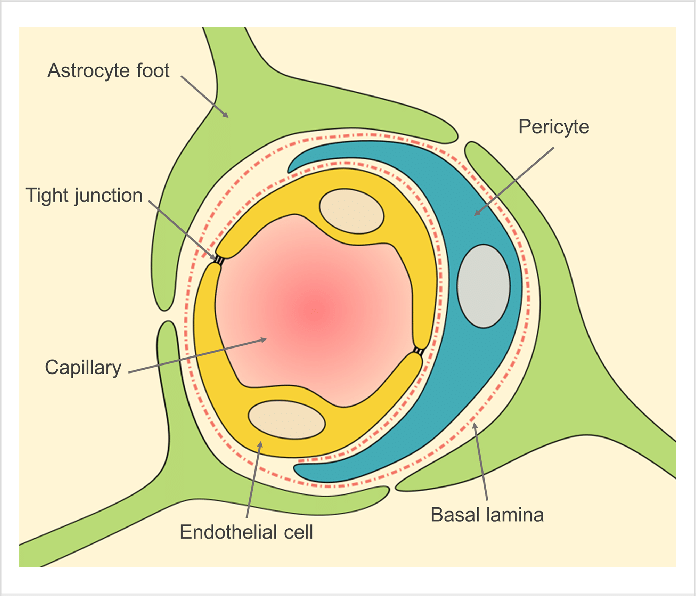
Blood–Brain Barrier, drug transportation: The blood–brain barrier (BBB) is an anatomical and functional barrier between the circulation and the central nervous system. Active transport and facilitated diffusion are the predominant methods of molecular transfer, which in health is tightly controlled. 

Choosing the Appropriate Antibiotic

CHOOSING ANTIBIOTICS There are some general guidelines that can be used in determining the appropriate antibiotic. Penicillins act against gram- positive and