Posts

Showing posts with the label cardiac anesthesia

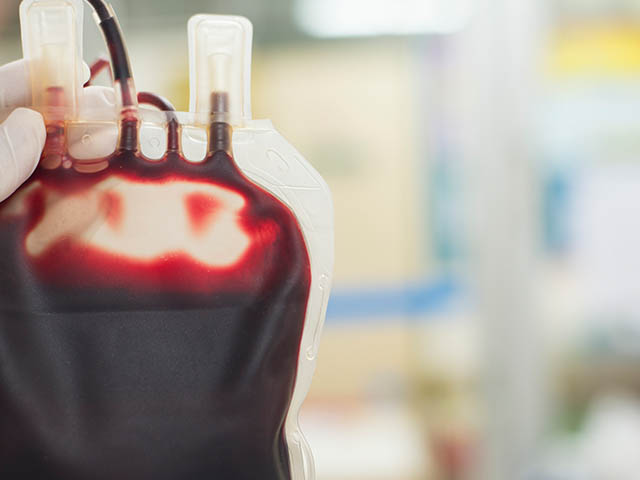
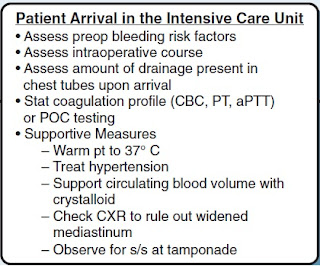
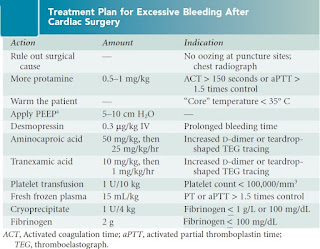
Treatment Plan for Excessive Bleeding After Cardiac Surgery

Image
 

DE-AIRING THE HEART AFTER CARDIAC SURGERY

DE-AIRING THE HEART AFTER CARDIAC SURGERY   After completing the repair and as the cardiac chambers are closed or as CABG is being completed, the heart must be freed of as much air as possible before it begins to eject into the systemic circulation. Clinical studies have demonstrated a correlation between the number of gaseous microemboli and the severity of neuropsychological impairment after surgical procedures employing CPB. Thus, special maneuvers are necessary to avoid air embolism, as has clearly been demonstrated by intraoperative echocardiography.  The exact steps and sequences and the time of de-airing may vary, but the principles are well established: 

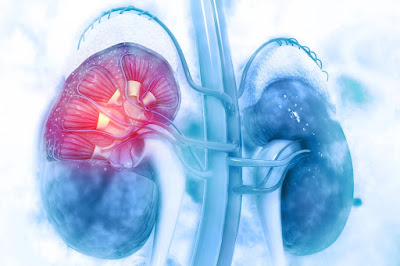
Kidney Stress and Acute Kidney Injury after Cardiac Surgery

Image

Extubation Strategies after Cardiac Surgery

Image
Extubation Strategies after Cardiac Surgery  

Persistent Postoperative Hypothermia

Image
  Persistent Postoperative Hypothermia Postoperative hypothermia is the failure to return to or maintain normothermia (>36°C) 2 to 5 hours after an intensive care unit (ICU) admission associated with Cardiac Surgery (CS). Hypothermia is associated with increased bleeding , infection, a prolonged hospital stay, and death . Large registry observational studies suggest if hypothermia is of short duration, outcomes can be improved. Based on this evidence, we recommend prevention of hypothermia by using forced-air warming blankets, raising the ambient room temperature, and warming irrigation and intravenous fluids to avoid hypothermia in the early postoperative period (class 1, level B-NR). Read Also: Perioperative bleeding. General coagulation management.
Perioperative Glycemic Control

Image
  Perioperative Glycemic Control

Tranexamic Acid or Epsilon Aminocaproic Acid in Cardiac Surgery

Image
 Tranexamic Acid or Epsilon Aminocaproic Acid in Cardiac Surgery

Rigid Sternal Fixation in Cardiac Surgery

Image
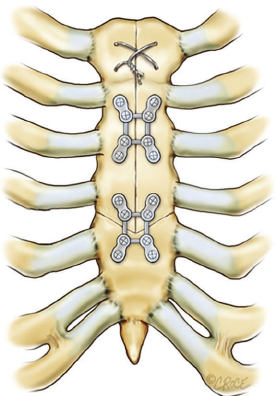
  Rigid Sternal Fixation in Cardiac Surgery

Preoperative Measurement of Hemoglobin A1c for Risk Stratification

Image
  Preoperative Measurement of Hemoglobin A 1c  for Risk Stratification Optimal preoperative glycemic control, defined by a hemoglobin A 1c  level

Epinephrine. Effects, Indications, Dosing.

Image
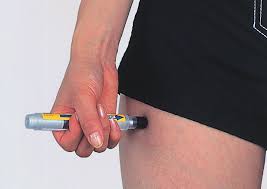
Epinephrine (Adrenaline)  is naturally occurring catecholamine. It is is the prototype sympathomimetic . Epinephrine is synthesized, stored, and released from the adrenal medulla. Through activation of a-adrenergic receptors , b1 and b2 receptors regulates: myocardial contractility heart rate vascular and bronchial smooth muscle tone glandular secretions metabolic processes such as glycogenolysis and lipolysis Not administered orally as it is rapidly metabolized in the gastrointestinal mucosa and liver. Therefore, epinephrine is administered subcutaneously,  intramuscularly  (Epipen), or   intravenously . Indications allergic reactions/ anaphylaxis treatment of severe asthma and bronchospasm during cardiopulmonary resuscitation during periods of hemodynamic instability to enhance myocardial contractility and increase vascular resistance during weaning from cardiopulmonary bypass increasing cardiac output in sepsis as part of local anesthetic solutions  ...

AORTIC DISSECTION

Image
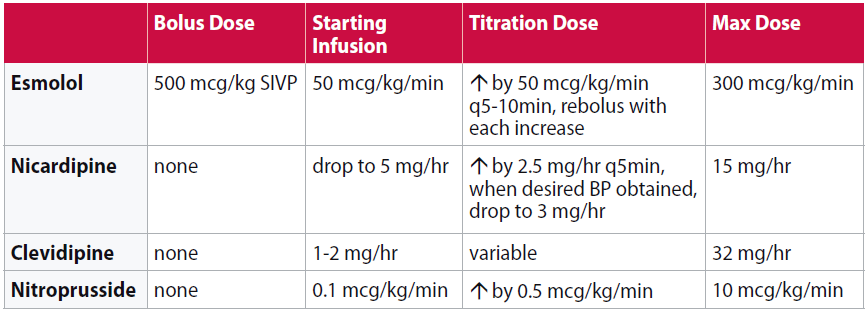
1. Establish large bore IV access and titrate FiO2 to SpO2 ≥ 90%. 2. Place right radial arterial line and use left arm for NIBP. 3. Use fentanyl and esmolol as first line therapy to control pain, keep HR < 60 and reduce SBP < 120 mmHg. 4. If additional control is needed, use the agents listed (in order of preference) in the table opposite. 5. Prepare for rapid CT angiogram but use bedside TEE or TTE as alternatives if unstable or while waiting for CT.

Dobutamine

Image
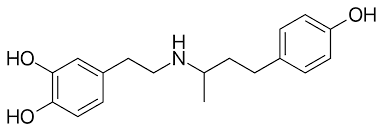
     Dobutamine , a synthetic analog of dopamine, has predominantly β 1-adrenergic effects.       When compared with isoproterenol, inotropy is more affected than chronotropy. It exerts less of a β2 -type effect than isoproterenol does and less of an α 1 -type effect than does norepinephrine. Unlike dopamine, endogenous norepinephrine is not released, and dobutamine does not act at dopaminergic receptors. 

Mean Arterial Pressure

Image
Mean Arterial Pressure  (MAP) is the average arterial pressure throughout one cardiac cycle (systole and diastole).  Can be calculated using a Formula: MAP = DP + 1/3(SP - DP)

Protamine administration

" Heparin and protamine combine in proportion to weight. One milligram of protamine neutralizes 1 mg (typically 100 U) of heparin. Protamine administration:  Always administer protamine slowly. The rate of administration is more important than the route of administration in preventing adverse hemodynamic effects.  One can either use a syringe or dilute the drug in a small volume of intravenous fluid and infuse by gravity  or calibrated pump. Because the syringe technique rather than hand-operated syringe administration, because this reduces the  natural tendency to administer the protamine too quickly and it frees our hands for other  important patient care activities (e.g., vasoactive drug titration, echocardiography examina tion) that coincide with protamine administration. The injected dose of protamine cannot neutralize heparin bound to plasma proteins or  within endothelial cells. Release of heparin from these stored ...

Choice between coronary artery bypass grafting and percutaneous coronary intervention.

Image
FAVOURS percutaneous coronary intervention (PCI):

When to operate in Aortic Stenosis?

Image
Aortic Valve Replacement (AVR) is recommended:

Pulmonary artery catheterization. Indications and Contraindications.

Image
Although there is limited evidence of favourable outcomes from the use of the pulmonary artery catheter , it remains an important diagnostic tool in the management of critically-ill patients,  specifically  when  knowledge  of  intracardiac  pressures and oxygenation parameters is considered to be particularly important.

Management of the Bleeding Cardiac Surgical Patient.

Image
Surgical reexploration in case of excessive bleeding. Criteria: 8 mL/kg in any 2 successive hours or 20 mL/kg in the first 4 postop hours with or without s/s at cardiac tamponade

Stable Angina or Silent Ischaemia: Indications for Revascularisation 2019

Image
Stable Angina also known as 'effort angina', this refers to the classic type of angina related to myocardial ischemia.

MitraClip: valve repair device to treat certain heart failure patients with mitral regurgitation

Image
The U.S. Food and Drug Administration today approved a new indication for a heart valve repair device that is intended to reduce moderate-to-severe or severe mitral regurgitation, a leakage of blood backward through the mitral valve into the heart’s left atrium that can cause heart failure symptoms such as shortness of breath, fatigue and swelling in the legs.