Posts

Showing posts with the label brain

Mechanisms of General Anaesthetic Action

Image
Anatomical Sites of Action General anaesthetic agents affect both brain and spinal cord to account for physiological responses to nociception, loss of consciousness and inhibition of explicit memory. Auditory and sensory evoked potential data implicate the thalamus as the most likely primary target, but secondary sites such as the limbic system (associated with memory) and certain cortical areas are also
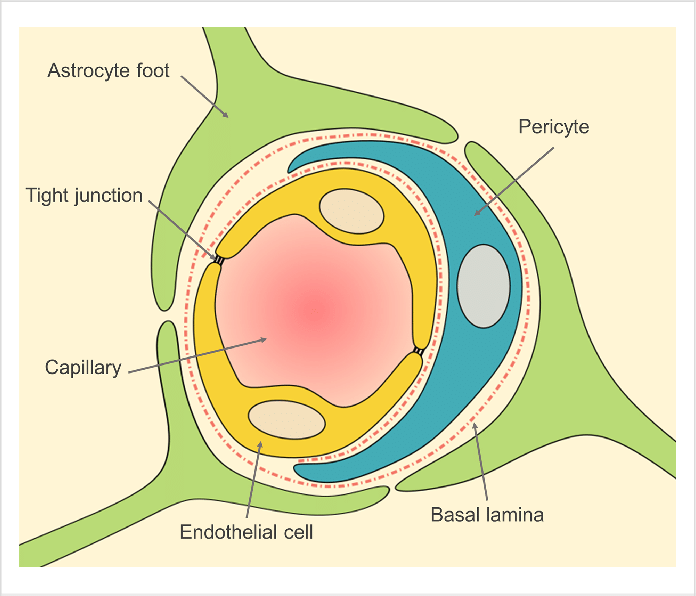
Blood–Brain Barrier, Drug Transportation

Image
Blood–Brain Barrier, drug transportation: The blood–brain barrier (BBB) is an anatomical and functional barrier between the circulation and the central nervous system. Active transport and facilitated diffusion are the predominant methods of molecular transfer, which in health is tightly controlled. 

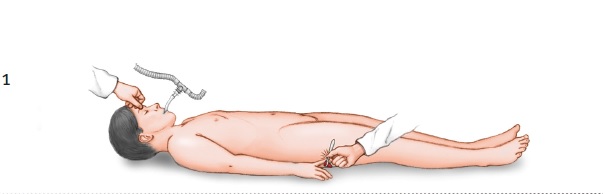
Steps in assessing Brain Death.

Image
PART 1

Harlequin Syndrome, Diagnosis, Symptoms and Treatment

Image
Harlequin  syndrome   is a syndrome affecting the  autonomic nervous system .   The autonomic nervous system is responsible for controlling the body’s natural processes such as  sweating ,  skin flushing , and the response of the  pupils  to stimuli.  People with Harlequin syndrome have the absence of sweating and flushing of skin on one side of the body (unilateral), especially of the face, arms, and chest.

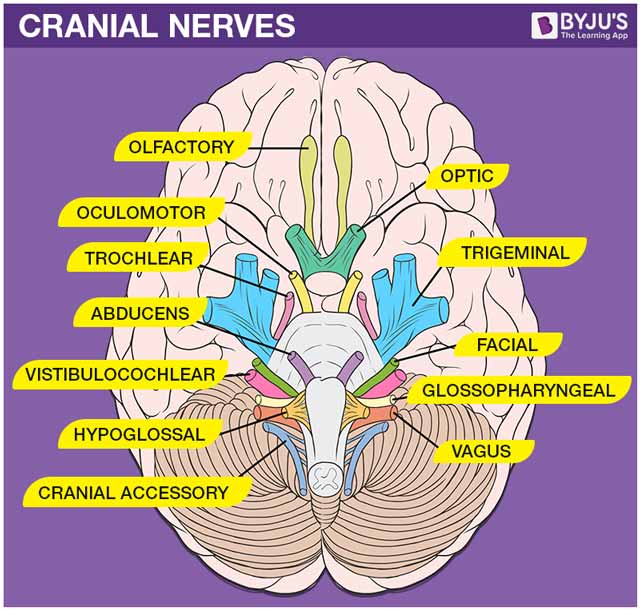
Two Mnemonic Phrases for Cranial Nerves

Image
Here are 2 useful mnemonic phrases for memorizing the names of the twelve cranial nerves and their functional purpose.   C ranial nerve names in order from CN I to CN XII:

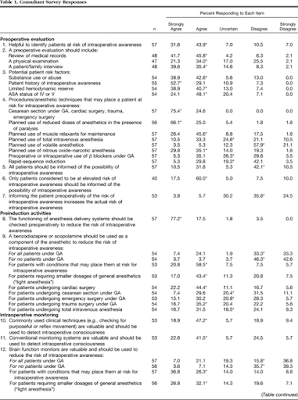
Practice Advisory for Intraoperative Awareness and Brain Function Monitoring: A Report by the American Society of Anesthesiologists Task Force on Intraoperative Awareness

Image
PRACTICE advisories   are systematically developed reports that are intended to assist decision making in areas of patient care. Advisories provide a synthesis and analysis of expert opinion, clinical feasibility data, open forum commentary, and consensus surveys. Advisories are not intended as standards, guidelines, or absolute requirements. They may be adopted, modified, or rejected according to clinical needs and constraints.

The Glasgow coma scale (GCS) in practice.

Image
         The Glasgow coma scale (GCS) gives a reliable, objective way of recording the conscious state of a person. It has value in predicting ultimate outcome. 3 types of response are assessed, note in each  case the best response (or best of any limb) which should be recorded.

Neurological Injury in Cardiac Surgery

Image