Posts

Showing posts with the label blood

Tranexamic Acid or Epsilon Aminocaproic Acid in Cardiac Surgery

Image
 Tranexamic Acid or Epsilon Aminocaproic Acid in Cardiac Surgery

Preoperative Measurement of Hemoglobin A1c for Risk Stratification

Image
  Preoperative Measurement of Hemoglobin A 1c  for Risk Stratification Optimal preoperative glycemic control, defined by a hemoglobin A 1c  level

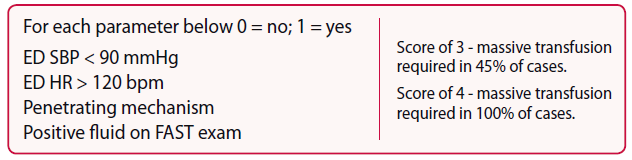
MASSIVE HEMORRHAGE

Image
Control bleeding in ED/ICU/OR/Interventional Suite. Assess SpO2 and ventilation with view to early intubation . Review clinical condition and consider activation of massive transfusion protocol (MTP).  Insert large caliber central venous catheter (CVC) or two wide bore peripheral IV lines.  Reverse any anticoagulation therapy. 

HITTS. Heparin-Induced Thrombotic Thrombocytopenia Syndrome.

 Heparin-Induced Thrombotic Thrombocytopenia Syndrome (HITTS) is a prothrombotic disorder caused by IgG mediated antibodies to complexes of platelet factor 4 (PF4) and heparin.

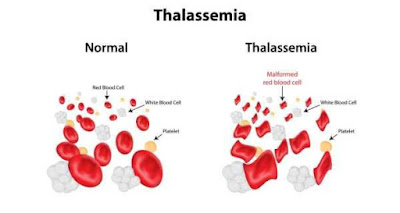
Thalassemia

Image
  Thalassemia is a hereditary underproduction of either the alpha or beta globin chains of the  hemoglobin molecule, resulting in a hypochromic, microcytic anemia. Gene deletion results  in variable levels of disease. There are 4 genes coding for the alpha chain of hemoglobin.

Venous Thromboembolism Clinical Practice Guidelines (ASH, 2020)

Image
  Strong Recommendations For patients with PE ( pulmonary embolism ) and hemodynamic compromise, it is recommended that thrombolytic therapy followed by anticoagulation be used over anticoagulation alone. For patients with DVT ( deep vein thrombosis ) and/or PE who have completed primary treatment and will continue vitamin K antagonist (VKA) therapy as secondary prevention, it is recommended that an international normalized ratio (INR) range of 2.0 to 3.0 be used over a lower INR range . For patients with a recurrent unprovoked DVT and/or PE , indefinite antithrombotic therapy is recommended over stopping anticoagulation after completion of primary treatment.

COVID-19: labs

Image
  Table  of general laboratory findings described in several studies.

Protamine administration

" Heparin and protamine combine in proportion to weight. One milligram of protamine neutralizes 1 mg (typically 100 U) of heparin. Protamine administration:  Always administer protamine slowly. The rate of administration is more important than the route of administration in preventing adverse hemodynamic effects.  One can either use a syringe or dilute the drug in a small volume of intravenous fluid and infuse by gravity  or calibrated pump. Because the syringe technique rather than hand-operated syringe administration, because this reduces the  natural tendency to administer the protamine too quickly and it frees our hands for other  important patient care activities (e.g., vasoactive drug titration, echocardiography examina tion) that coincide with protamine administration. The injected dose of protamine cannot neutralize heparin bound to plasma proteins or  within endothelial cells. Release of heparin from these stored ...

Anticoagulants with the Required Monitoring and Possible Reversal Drugs.

Image

Perioperative bleeding. General coagulation management.

Image
Guidelines from the European Society of Anaesthesiology: Fibrinogen concentration of less than 1.5 to 2 g l −1  is considered as hypofibrinogenaemia in acquired coagulopathy and is associated with increased bleeding risk.  C

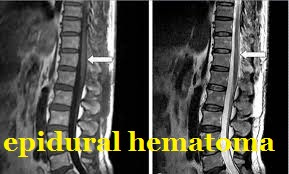
Epidural analgesia and drugs affecting hemostasis 2019

Image
The current recommendations of when anticoagulants should be stopped prior to

Interpretation of Arterial Blood Gases

Interpretation of Arterial Blood Gases (ABGs) David A. Kaufman, MD Chief, Section of Pulmonary, Critical Care & Sleep Medicine                 Bridgeport Hospital-Yale New Haven Health Assistant Clinical Professor, Yale University School of Medicine (Section of Pulmonary & Critical Care Medicine) Introduction: Interpreting an arterial blood gas (ABG) is a crucial skill for physicians, nurses, respiratory therapists, and other health care personnel. ABG interpretation is especially important in critically ill patients. The following six-step process helps ensure a complete interpretation of every ABG. In addition, you will find tables that list commonly encountered acid-base disorders. Many methods exist to guide the interpretation of the ABG. This discussion does not include some methods, such as analysis of base excess or Stewart’s strong ion difference. A summary of these techniques can be found in some of the...

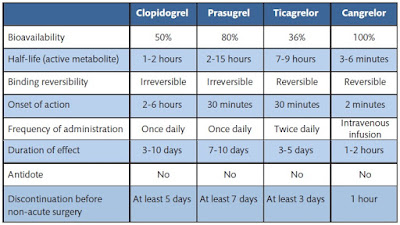
Recommendations for perioperative P2Y12 inhibitor management (EACTS).

Image
    Dual antiplatelet therapy (DAPT) with ASA and P2Y12-receptor  inhibitors (clopidogrel, ticagrelor and prasugrel) (Table) reduces  the risk for thrombotic complications in patients with acute coronary  syndrome (ACS) compared to treatment with ASA only, especially if they undergo percutaneous coronary intervention.  The risk for thrombotic

Recommendations for Perioperative Acetylsalicylic Acid Management.

Image
    Acetylsalicylic acid (ASA) is one of the cornerstones for the treatment of acute and chronic cardiovascular disease. Secondary prevention with ASA has been shown to reduce mortality, MI and cerebrovascular events in different subsets of patients with occlusive cardiovascular disease, but also to increase the risk for bleeding complications.     Discontinuation before surgery. A meta-analysis of 13 trials with 2399 patients who had CABG that compared administration of ASA preoperatively versus no treatment or treatment with a placebo showed that treatment with ASA reduced the risk for perioperative MI [(odds ratio (OR) 0.56; 95% confidence interval (CI) 0.33–0.96] but did not reduce the mortality rate (OR 1.16; 95% CI 0.42–3.22). Postoperative bleeding, red cell transfusions and surgical re-exploration were increased with ASA. However, the included studies were of low methodological quality. A recent large randomized controlled trial (RCT) compared the...

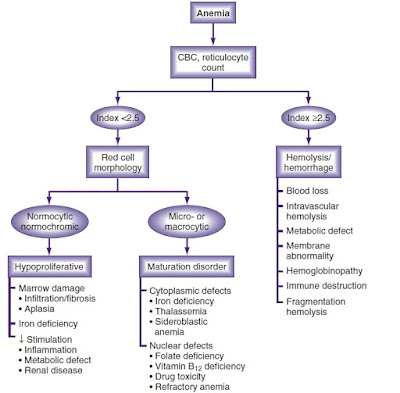
Anemia. Physiologic classification.

Image

HYPERCALCEMIA in critically ill patients

Image
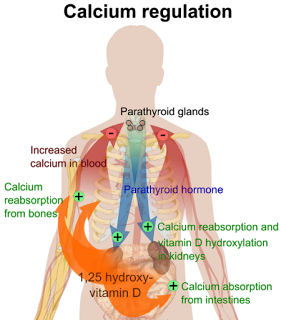
HYPERCALCEMIA. Hypercalcemia is rare in critically ill patients, estimated to be present  in between 1% and 15% of ICU patients. Defined as an increase in  serum calcium above 10.4 mg/dL (2.60 mmol/L), hypercalcemia  usually is caused by excessive bone resorption. 

AAGBI guidelines: the use of blood components and their alternatives 2016

Image
Visit the link below: AAGBI guidelines: the use of blood components and their alternatives 2016 - Klein - 2016 - Anaesthesia - Wiley Online Library Recommendations All patients should have their haemoglobin concentration (Hb) measured before listing for major elective surgery. Patients who are anaemic by the World Health Organization definition (Hb men < 130 g.l −1 , women < 120 g.l −1 ) should be investigated before elective surgery and treated appropriately, and elective non-urgent surgery other than caesarean section should be delayed. Where blood transfusion is anticipated, this and alternatives to transfusion should be discussed with the patient before surgery, and this should be documented. Red blood cells should be transfused one unit at a time, and the patient's Hb should be checked before each unit transfused, unless there is ongoing bleeding or a large deficit that needs correcting. The use of intra-operative cell salvage and tranexamic acid adminis...

Activated clotting time (ACT) vs aPTT

Activated clotting time  ( ACT ), also known as  activated coagulation time  is a test of  coagulation . [ 1] The ACT test can be used to monitor anticoagulation effects, such as high-dose  heparin  before, during, and shortly after procedures that require intense anticoagulant  administration, such as  cardiac bypass ,  cardiac angioplasty ,  thrombolysis ,  extra-corporeal membrane oxygenation  (ECMO) and continuous  dialysis . [ 1] It measures the seconds needed for whole blood to clot upon exposure to an activator of an intrinsic pathway by the addition of factor XII activators.  It is ordered in situations where the  PTT test  is not clinically useful (i.e., high-dose heparin therapy or presence of lupus anticoagulant). The ACT test is sometimes used, along with the PTT, to monitor the therapeutic effect of a direct thrombin inhibitor, such as argatroban or bivalirudin.  The ACT is measured...
Blood gases. Alfa-stat and pH-stat strategies during CPB.

Maintain arterial oxygen level not higher than 250 mmHg and less than 85 mmHg. Some clinical perfusions for cardiac surgery are performed at normothermia (≈37°C) and others at various levels of hypothermia: mild (30°C-35°C), moderate (25°C-30°C), or deep ( less than 25).Therefore, it is necessary to consider the strategy for controlling PaCO2 and, indirectly, pH.     The alpha-stat strategy is based on using the pH measured at 37°C and uncorrected for the temperature of the patient’s blood, and  maintaining this level at pH 7.4. That is, the ventilation of the oxygenator is maintained at the level appropriate for a body temperature of 37°C, no matter how low the temperature. This hyperventilation during hypothermia results in a decrease in PaCO2 and an increase in pH when the values for these are corrected for the temperature of the patient’s blood. Swan and Reeves and Rahn and colleagues have all emphasized that at low temperatures, neutra...