Posts

Showing posts with the label Drugs

Loop Diuretics

Image
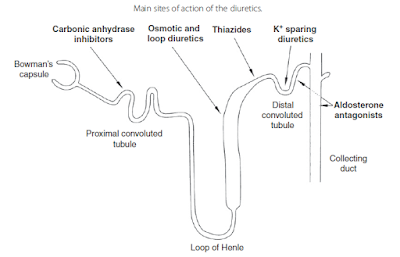
Loop Diuretics Furosemide, Bumetanide  Loop diuretics (carboxylic acid derivatives) are used in severe heart failure to reduce peripheral and pulmonary oedema . They are also used in chronic and acute renal failure.

Noradrenaline, Mechanism of Action, Effects

Image
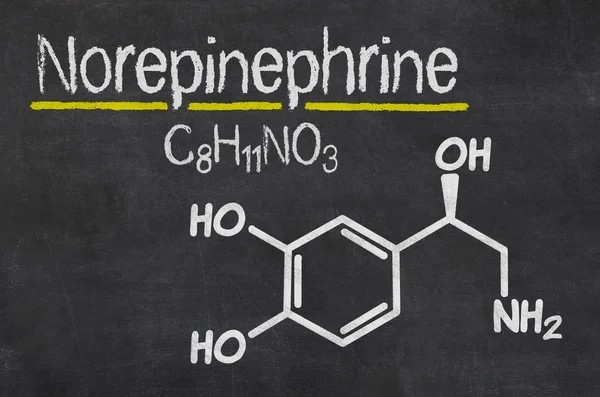
Noradrenaline, Mechanism of Action, Effects Presentation and Uses Noradrenaline is presented as a clear solution containing 0.2–2 mg.ml−1 noradrenaline acid tartrate, which is equivalent to 0.1–1 mg.ml−1 of noradrenaline base, and contains the preservative sodium metabisulfite. It is used as an intravenous infusion (dose range 0.05–0.5 μg.kg−1.min−1) to increase the systemic vascular resistance.

Mechanisms of General Anaesthetic Action

Image
Anatomical Sites of Action General anaesthetic agents affect both brain and spinal cord to account for physiological responses to nociception, loss of consciousness and inhibition of explicit memory. Auditory and sensory evoked potential data implicate the thalamus as the most likely primary target, but secondary sites such as the limbic system (associated with memory) and certain cortical areas are also

Blood–Brain Barrier, Drug Transportation

Image
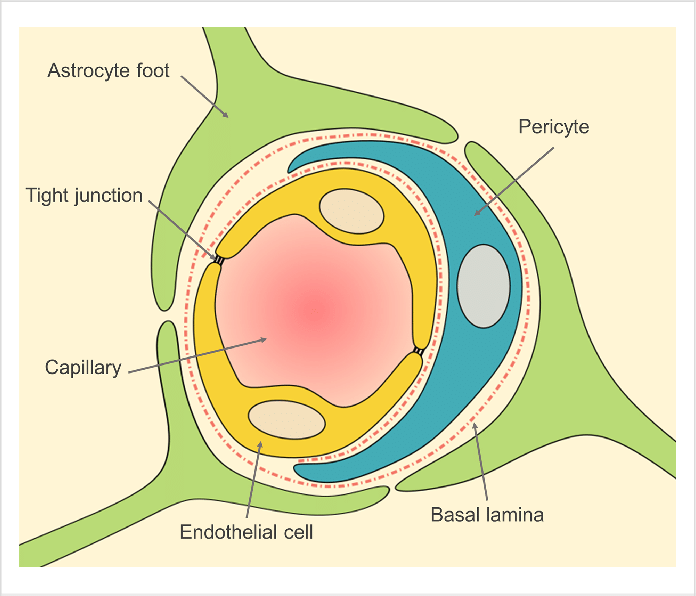
Blood–Brain Barrier, drug transportation: The blood–brain barrier (BBB) is an anatomical and functional barrier between the circulation and the central nervous system. Active transport and facilitated diffusion are the predominant methods of molecular transfer, which in health is tightly controlled. 

Drugs with a potential for significant accumulation in patients with renal impairment.

Image

Drugs to avoid in Pregnancy.

Image
Drugs known to cause congenital malformations:

Drugs to Avoid With Heart Failure

Image
NSAIDs can exacerbate HF by promoting sodium and water retention, higher intravascular resistance, and reduced response to diuretics. Whenever possible, NSAIDs should be avoided among patients with HF. Thiazolidinediones can exacerbate existing HF and promote new HF. The risk for HF complications appears to be stronger with rosiglitazone vs pioglitazone. The dipeptidyl peptidase-4 (DPP-4) inhibitors are also associated with an increased risk for HF exacerbation, with an odds ratio of 1.19 in one meta-analysis. In contrast, metformin has been associated with reduced mortality risk among patients with HF in recent studies. However, metformin still should be avoided among patients with moderate or severe chronic kidney disease. Treatment with doxazosin was associated with a 2-fold increase in incident HF compared with treatment with chlorthalidone in the Antihypertensive and Lipid-Lowering Treatment to Prevent Heart Attack Trial (ALLHAT). Amlodipine does not reduce mortality r...