Posts

Showing posts with the label infusion

Consequences of Hypernatremia
Image
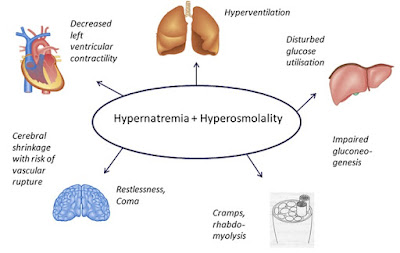
Hypernatremia and the resulting hyperosmolar state impact various bodily functions. One well-known consequence is its influence on neurological function. The occurrence of hypernatremia and subsequent hyperosmolality triggers a movement of free water from within cells to the extracellular space. This shift results in the shrinkage of brain cells, potentially leading to vascular rupture and persistent neurological impairments in severe cases. Cerebral demyelination, a feared complication in addressing hyponatremia, has also been observed in hypernatremia cases of diverse origins. Individuals with end-stage liver disease who develop hypernatremia appear particularly susceptible to cerebral demyelination.

50+ IV Therapy Tips and Tricks: How to Hit the Vein in One Shot

Image
50+ IV Therapy Tips and Tricks: How to Hit the Vein in One Shot keywords:IV therapy,Intravenous tips,Vein access,How to hit a vein,IV insertion tricks,Vein finder,IV needle technique,Venipuncture tips,Nursing skills,IV catheter,IV troubleshooting IV therapy tips and tricks to hit the bullseye every time!

Guidelines for Treatment of Adult Patients With Hyperkalemia

Image
First : Stop all infusion of potassium. Electrocardiographic Evidence of  Pending Arrest

Osmolarity Versus Osmolality. Ethanol level.

Image
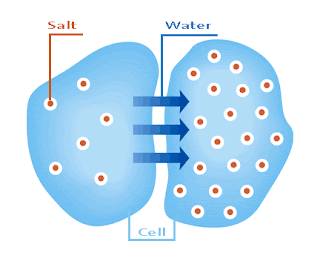
Osmosis is the spontaneous net movement of  solvent  molecules through a  selectively permeable membrane  into a region of higher  solute  concentration, in the direction that tends to equalize the solute concentrations on the two sides.

HYPERCALCEMIA in critically ill patients

Image
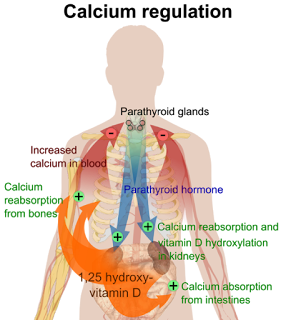
HYPERCALCEMIA. Hypercalcemia is rare in critically ill patients, estimated to be present  in between 1% and 15% of ICU patients. Defined as an increase in  serum calcium above 10.4 mg/dL (2.60 mmol/L), hypercalcemia  usually is caused by excessive bone resorption. 

Potassium Deficits in Hypokalemia: A Guide for Clinicians

Image
Potassium Deficits in Hypokalemia: A Guide for Clinicians Tags : hypokalemia, potassium deficit, low potassium levels, ECG changes, electrolyte management Hypokalemia, defined as serum potassium levels below 3.5 mmol/L, reflects a potassium deficit that can disrupt neuromuscular and cardiac function. For medical professionals, understanding the extent of potassium loss, its causes, and correction strategies is key to managing this common electrolyte imbalance. This article explores hypokalemia potassium deficits and offers practical insights for diagnosis and treatment.

Deleterious effects of aggressive fluid resuscitation.

Image
             The harmful effects of aggressive fluid resuscitation on the outcome of sepsis are supported by experimental studies and data accumulated from clinical trials.   Multiple clinical studies have demonstrated an independent association between an increasingly positive fluid balance and increased mortality in patient with sepsis.  The most compelling data that fluid loading in sepsis is harmful, comes from the landmark ‘ Fluid Expansion as Supportive Therapy  (FEAST)’ study performed in 3141 sub-Saharan children with severe sepsis.  In this randomized study, aggressive fluid loading was associated with a significantly increased risk of death. After the Rivers' Early Goal Directed Therapy trial,  which formed the basis for the concept of early aggressive fluid resuscitation, a number of EGDT studies have been published. 

IV fluid prescription (by body weight) for routine maintenance over a 24‑hour period

Image
According to " Intravenous fluid therapy in adults in hospital" by NICE

Indicators that a patient may need urgent fluid resuscitation.

Image
  Indicators that a patient may need urgent fluid resuscitation include:

Diagram of Ongoing Losses.

Image

Hyperkalemia: Understanding Levels and ECG Changes

Image
Hyperkalemia: Understanding Levels and ECG Changes Tags : hyperkalemia, ECG changes, potassium levels, medical emergency, cardiac arrhythmias Hyperkalemia, a potentially life-threatening electrolyte imbalance, occurs when serum potassium levels exceed 5.0 mmol/L. For medical professionals, recognizing hyperkalemia levels and their associated ECG changes is critical for timely intervention. This guide breaks down potassium thresholds, clinical implications, and electrocardiographic findings to sharpen your diagnostic skills.

Five Key Takeaways from the New 2016 Infusion Therapy Standards of Practice

Image