Posts

Showing posts with the label Cardiac surgery

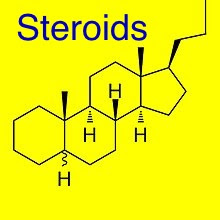
Modern Recommendations for Using Glucocorticosteroids in the Perioperative Period in Cardiac Surgery
Image
Modern Recommendations for Using Glucocorticosteroids in the Perioperative Period in Cardiac Surgery Published on February 22, 2025 Keywords: glucocorticosteroids in cardiac surgery, perioperative steroids, cardiac surgery inflammation, modern steroid guidelines The use of glucocorticosteroids in the perioperative period of cardiac surgery has been a topic of debate for decades. These powerful anti-inflammatory drugs can reduce complications, but their

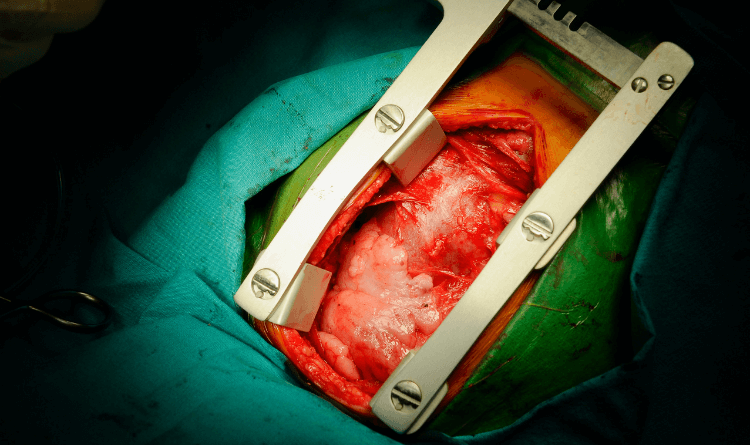
METHODS OF MYOCARDIAL MANAGEMENT DURING CARDIAC SURGERY, part 2

Image
Moderately Hypothermic Intermittent Global Myocardial Ischemia Intermittent cardiac ischemia with moderate cardiac hypothermia requires performing cardiopulmonary bypass (CPB) with a perfusate temperature between 25°C and 30°C. During this method,

METHODS OF MYOCARDIAL MANAGEMENT DURING CARDIAC SURGERY, part 1

Image
Continuous Normokalemic Coronary Perfusion: Empty Beating Heart Early intracardiac procedures were performed on normothermic, perfused, empty beating hearts. Experimental studies initially suggested that this method maintained "normal left ventricular function" for up to 3 hours of cardiopulmonary bypass (CPB) with the heart empty and

DE-AIRING THE HEART AFTER CARDIAC SURGERY

DE-AIRING THE HEART AFTER CARDIAC SURGERY   After completing the repair and as the cardiac chambers are closed or as CABG is being completed, the heart must be freed of as much air as possible before it begins to eject into the systemic circulation. Clinical studies have demonstrated a correlation between the number of gaseous microemboli and the severity of neuropsychological impairment after surgical procedures employing CPB. Thus, special maneuvers are necessary to avoid air embolism, as has clearly been demonstrated by intraoperative echocardiography.  The exact steps and sequences and the time of de-airing may vary, but the principles are well established: 

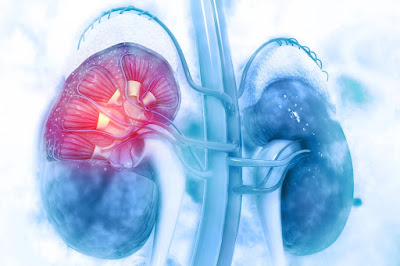
Kidney Stress and Acute Kidney Injury after Cardiac Surgery

Image

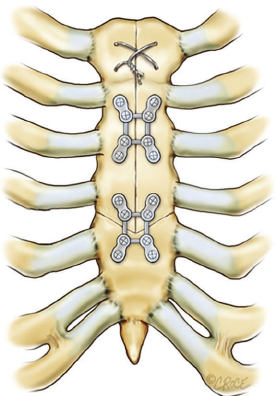
Rigid Sternal Fixation in Cardiac Surgery

Image
  Rigid Sternal Fixation in Cardiac Surgery

Preoperative Carbohydrate Loading

Image
  Preoperative Carbohydrate Loading

Consumption of Clear Liquids Before General Anesthesia

Image
 Consumption of Clear Liquids Before General Anesthesia

Regular Medications and Surgery.

Image
    A guide to which regular medications should be continued until the day of surgery. Continue: Statins (decreases in-hospital mortality and need for RRT) β-Blockers (reduced risk of post-CABG AF) Nitrates Calcium antagonists K+ channel openers Corticosteroids Anti-dysrhythmics Bronchodilators

Cardiac protection with phosphocreatine: a meta-analysis

Image
Cardiac protection with phosphocreatine: a meta-analysis Giovanni Landonia, Alberto Zangrilloa, Vladimir V. Lomivorotovc , Valery Likhvantsevd , Jun Mae , Francesco De Simonea and Evgeny Fominskiya Phosphocreatine (PCr) plays an important role in the energy metabolism of the heart and a decrease in its intracellular concentration results in alteration of myocardium energetics and work. We conducted a meta-analysis of all randomized and matched trials that compared PCr with placebo or standard treatment in patients with coronary artery disease or chronic heart failure or in those undergoing cardiac surgery. We systematically searched PubMed/Medline, Embase, Cochrane Central Register of Controlled Trials and Google Scholar up to 1 November 2015, for pertinent trials. The primary outcome was all-cause mortality. Secondary outcomes included inotrope use, ejection fraction (EF), peak creatinine kinase-myocardial band (CK-MB) release and the incidence of major arrhythmias, as well ...

Hetastarch Should be Avoided for Volume Expansion in Cardiac Surgery Patients

Image
   Blood conservation measures to reduce perioperative blood loss during cardiac surgery have been a subject of focus in recent years. This is due in part to the high cost of allogeneic blood transfusion, as well as the morbidity and mortality associated with transfusion.One such conservation measure is hemodilution with colloids such as human albumin ( HA ) or hydroxyethyl starch ( HES ). Hemodilution is an inevitable sine qua non condition of cardiopulmonary bypass ( CPB ) because of its circuit-priming requirements. On the other hand, correction of hypovolemia with intravenous ( IV ) fluids is one of the most frequent therapeutic interventions in cardiac surgery.     A variety of IV fluids currently are used for volume expansion in major surgery and in critically ill patients. Crystalloid solutions are inexpensive and widely available,  while colloids have the theoretical advantage of a lower plasma clearance, and stronger and sustained colloid osmotic ...