Posts

Measurement of Cardiac Output: A Step-by-Step Doppler Guide for Anesthesiologists

Image
  Target Keywords: Cardiac Output measurement, Stroke Volume, LVOT VTI, Doppler echocardiography, Hemodynamic monitoring, POCUS, ICU. Introduction While assessing the Ejection Fraction (EF) provides a percentage-based view of heart function, Cardiac Output (CO) measures the actual volume of blood delivered to the tissues per minute. For anesthesiologists and intensivists, CO is a critical parameter for differentiating shock states and monitoring the response to fluids or inotropes. The Mathematical Foundation The calculation of Cardiac Output (CO) is based on the relationship between Stroke Volume (SV) and Heart Rate (HR): CO = SV x HR To find the Stroke Volume via ultrasound, we use the "Cylinder Model" of the Left Ventricular Outflow Tract (LVOT). The SV is the product of the Cross-Sectional Area (CSA) of the LVOT and the distance the blood travels through it during one beat (VTI). SV = CSA x VTI Step 1: Measuring the LVOT Diameter The first step is determining the area o...

Quantitative Assessment of Left Ventricular Systolic Function: A Guide for Anesthesiologists

Image
Target Keywords: Left Ventricular Function, Echocardiography in ICU, LVEF, Simpson’s Biplane Method, MAPSE, EPSS, Hemodynamic Monitoring, POCUS Introduction Evaluating left ventricular (LV) systolic function is a cornerstone of hemodynamic monitoring in perioperative care and the ICU. While qualitative "eyeballing" is valuable for rapid assessment, quantitative measurements provide the objectivity needed for clinical decision-making and longitudinal tracking of a patient’s status. This article explores the primary quantitative methods used to assess LV global systolic function. 1. Linear Measurements (M-Mode and 2D) Linear dimensions are typically measured in the Parasternal Long-Axis (PLAX) view. LV is positioned so that the base is perpendicular to the beam orientation. 

Gastric Ultrasound: How to Rule Out a "Full Stomach" in 5 Minutes

Image
Introduction: Why the "NPO" Rule is No Longer Enough While the traditional "6 hours for solids, 2 hours for clear liquids" (NPO — nil per os ) remains the gold standard, it often fails in the realities of the ICU and emergency surgery. Gastroparesis in diabetes , critical illness, opioid analgesia, or severe stress significantly slow gastric emptying. Gastric Ultrasound ( POCUS ) is the only objective bedside tool that allows an anesthesiologist to visualize gastric contents in real-time and prevent Mendelson's syndrome.

Ultrasound-Guided TAP Block: A Comprehensive Step-by-Step Guide

Image
Introduction The Transversus Abdominis Plane (TAP) block is a highly effective regional anesthesia technique providing analgesia to the anterior abdominal wall. Utilizing ultrasound guidance significantly enhances the safety and success rate of this procedure, allowing for real-time visualization of the needle, anatomical structures, and local anesthetic spread. This block is a cornerstone of multimodal analgesia in abdominal surgery.

Lung Ultrasound & the BLUE Protocol: The New "Visual" Stethoscope for Anesthesiologists

Image
In the high-stakes environment of the OR and the ICU, time is the ultimate variable. When a patient develops acute respiratory failure, waiting for a portable X-ray or transporting a hemodynamically unstable patient to CT can be risky, if not impossible. Enter the BLUE Protocol (Bedside Lung Ultrasound in Emergency) . Developed by Professor Daniel Lichtenstein, this diagnostic algorithm allows an anesthesiologist to identify the cause of dyspnea with over 90% accuracy in under 3 minutes. What is the BLUE Protocol? The BLUE Protocol is a standardized ultrasound algorithm designed for the rapid differential diagnosis of acute respiratory distress. By focusing on specific artifacts rather than traditional imaging, it provides immediate clinical answers. Standardized Scanning: The BLUE-Points To ensure reproducibility—much like the six leads of an ECG—the BLUE-protocol utilizes six standardized points (three on each side) that maximize lung coverage while avoiding the heart:

Understanding Horner Syndrome: Symptoms, Causes, and Diagnostic Pathways

Image
  Horner syndrome , also medically referred to as oculosympathetic paresis , is a relatively rare condition characterized by a specific group of signs resulting from a disruption in the sympathetic nerve supply to the eye. While the symptoms themselves—such as a drooping eyelid—might seem minor, they often serve as a "red flag" for serious underlying systemic issues.

Vasopressin: Mechanism, Uses, and Clinical Applications in Critical Care

Image
  Vasopressin , also known as antidiuretic hormone (ADH), is a vital peptide hormone produced by the posterior pituitary gland. It plays a key role in regulating water balance in the kidneys and maintaining blood pressure through powerful vasoconstrictive effects. In critical care settings, synthetic vasopressin has become an essential tool for managing hypotension, sepsis, and cardiac arrest. This article explores its mechanisms, therapeutic applications, and key considerations for safe use.

FREE Body Mass Index (BMI)

Image
Your BMI is a quick measure of your body fat based on your height and weight. It’s a great starting point for understanding your physical health. No need for complex math or searching through charts—just enter your details into our easy-to-use calculator below and find out where you stand today

CHA₂DS₂-VASc Score

Image
The CHA₂DS₂-VASc score is a widely used clinical prediction tool designed to estimate the annual risk of stroke and systemic thromboembolism in patients with non-valvular atrial fibrillation (AF). It represents an improved refinement of the earlier CHADS₂ score, incorporating additional risk factors for better stratification, particularly among lower-risk individuals.  The acronym stands for: Congestive heart failure (1 point), Hypertension (1 point), Age ≥75 years (2 points), Diabetes mellitus (1 point), prior Stroke/TIA/thromboembolism (2 points), Vascular disease (1 point), Age 65–74 years (1 point), and Sex category (female, 1 point).  Scores range from 0 to 9, with higher values indicating greater stroke risk. Guidelines (such as those from ESC and AHA) generally recommend oral anticoagulation for scores ≥2 in men or ≥3 in women, while considering it for intermediate scores, helping clinicians guide decisions on antithrombotic therapy to prevent potentially devastat...

Как исправить краши (CTD) в Skyrim Special Edition и Anniversary Edition 2026: Полное руководство по устранению вылетов на рабочий стол

Skyrim крашит на рабочий стол? Вылетает при загрузке сохранения, входе в локацию или во время боя? Эта проблема знакома миллионам игроков Skyrim Special Edition (SE) и Anniversary Edition (AE). CTD (Crash to Desktop) — один из самых распространенных багов, вызванный переполнением памяти, конфликтами модов, скриптами или даже обновлениями игры. В этой статье я разберу причины вылетов Skyrim SE/AE в 2026 году , дам пошаговые инструкции по фиксу и рекомендую лучшие моды. После этих шагов ваша игра станет стабильной даже с 200+ модами! Если вы новичок — читайте по порядку. Для моддеров — переходите к диагностике. Время на фикс: 30–60 минут.

Safety and Myths About Anesthesia: What You Need to Know Before Surgery

Image
Safety and Myths About Anesthesia: What You Need to Know Before Surgery Keywords : anesthesia, anesthesia safety, myths about anesthesia, preparing for surgery, anesthesia side effects, and general anesthesia The word "anesthesia" often sparks anxiety before surgery. Will you wake up on time? Is it safe for your health? Could it harm you in the long run? Countless myths surround anesthesiology, fueling fears and doubts about modern medical practices. In this article, we’ll debunk the most common misconceptions about anesthesia, explore its safety, and share tips on preparing for surgery so you can feel confident and informed.

Myths and Truths About Immunity: What Really Works?

Image
  Myths and Truths About Immunity: What Really Works? Keyword tip: immune health, Vitamin C, cold prevention, sleep and immunity, immune response, infection prevention, detox myths, gut health, immune system, probiotics, stress, cortisol, vaccines, exercise When cold and flu season rolls around—or when global health concerns dominate the headlines—everyone starts talking about boosting immunity . But what does that really mean? Between old wives’ tales, viral social media hacks, and scientific advice, it’s easy to get lost in the noise. Let’s separate the myths from the truths about your immune system and uncover what actually works to keep you healthy.

Modern Recommendations for Using Glucocorticosteroids in the Perioperative Period in Cardiac Surgery

Image
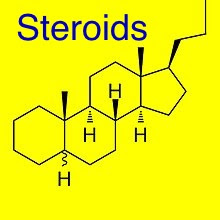
Modern Recommendations for Using Glucocorticosteroids in the Perioperative Period in Cardiac Surgery Published on February 22, 2025 Keywords: glucocorticosteroids in cardiac surgery, perioperative steroids, cardiac surgery inflammation, modern steroid guidelines The use of glucocorticosteroids in the perioperative period of cardiac surgery has been a topic of debate for decades. These powerful anti-inflammatory drugs can reduce complications, but their

Technique of Retrograde Infusion

Image
 In 1956, Lillehei and his colleagues proposed the technique of retrograde infusion of cardioplegic solutions directly into the coronary sinus. Many practitioners have found this method to be as effective as antegrade infusion , though it often results in less perfusion of the right ventricle (especially its midsection) and right atrium. To address this issue, retrograde infusion can be administered through the right atrium and right ventricle instead. Retrograde coronary sinus infusion is particularly beneficial in cases with acute high-grade coronary artery stenoses or obstructions.

Technique of Antegrade Cardioplegia

Image
Technique of Antegrade Cardioplegia antegrade cardioplegia, cardioplegia technique, myocardial protection, cardiac surgery, heart surgery, cardiopulmonary bypass, aortic root perfusion, potassium cardioplegia, surgical myocardial preservation After establishing cardiopulmonary bypass (CPB) with the perfusate at 32°C—ensuring that ventricular fibrillation does not occur—a catheter is inserted into the aortic root through a previously placed purse-string stitch, attached to the cardioplegia line, and de-aired. Optionally, the pressure line of the catheter can be connected to a strain gauge for continuous monitoring of aortic root pressure. The aorta is clamped once the aortic root catheter is in place and certainly before the heart has cooled enough from whole-body perfusion to become arrhythmic or develop ventricular fibrillation .

Principles of Cardioplegic Solutions

Image
Principles of Cardioplegic Solutions keywords:Cardioplegia, cardioplegic solution, myocardial protection, heart surgery, cardiac arrest, myocardial ischemia, reperfusion Energy conservation during myocardial ischemia can be achieved by inducing chemical arrest through two primary mechanisms: Preventing the conduction of the myocardial action potential by inhibiting the fast sodium current can be achieved through one or more of the following methods : a . Extracellular hyperkalemia  b . Sodium channel blockers (e.g., lidocaine)  c . KATP channel openers (e.g., adenosine) Preventing myocyte contraction by inhibiting calcium activation of myofilaments can be accomplished through one or more of the following approaches : a . Reducing extracellular calcium to zero  b . Using L-type calcium channel blockers (e.g., magnesium )  c . Directly inhibiting myofilaments with agents such as 2,3-butanedione monoxime (BDM) Cold Cardioplegia There are two types of solutions used...

Pharmacologically Induced Myocardial Protection During Cardiac Surgery

Image
Both β-adrenergic receptor blockers and calcium channel blockers, when used alongside other methods, have been incorporated into myocardial management strategies by various groups. Calcium channel blockers such as verapamil and diltiazem are particularly beneficial due to their ability to prevent calcium entry into cells and their coronary vasodilatory effects. However, these drugs are also strong negative inotropes and cause prolonged electromechanical inactivity, especially when used in cardioplegic solutions.

METHODS OF MYOCARDIAL MANAGEMENT DURING CARDIAC SURGERY, part 2

Image
Moderately Hypothermic Intermittent Global Myocardial Ischemia Intermittent cardiac ischemia with moderate cardiac hypothermia requires performing cardiopulmonary bypass (CPB) with a perfusate temperature between 25°C and 30°C. During this method,

METHODS OF MYOCARDIAL MANAGEMENT DURING CARDIAC SURGERY, part 1

Image
Continuous Normokalemic Coronary Perfusion: Empty Beating Heart Early intracardiac procedures were performed on normothermic, perfused, empty beating hearts. Experimental studies initially suggested that this method maintained "normal left ventricular function" for up to 3 hours of cardiopulmonary bypass (CPB) with the heart empty and

Off‐pump coronary surgery (OPCAB), advatages and disadvantages

Image
 "Off-pump" coronary bypass bypass surgery (OPCAB) was developed in response to concerns regarding the potential side effects of CPB. The goal of this procedure is to achieve total revascularization while avoiding CPB. Positioning the heart for transplantation without compromising hemodynamics is achieved with the use of several retraction devices and deep pericardial sutures. A platform that provides stability reduces movement at the arteriotomy site. After performing an arteriotomy, ischemia can be reduced via intracoronary or aortocoronary shunting.