Posts

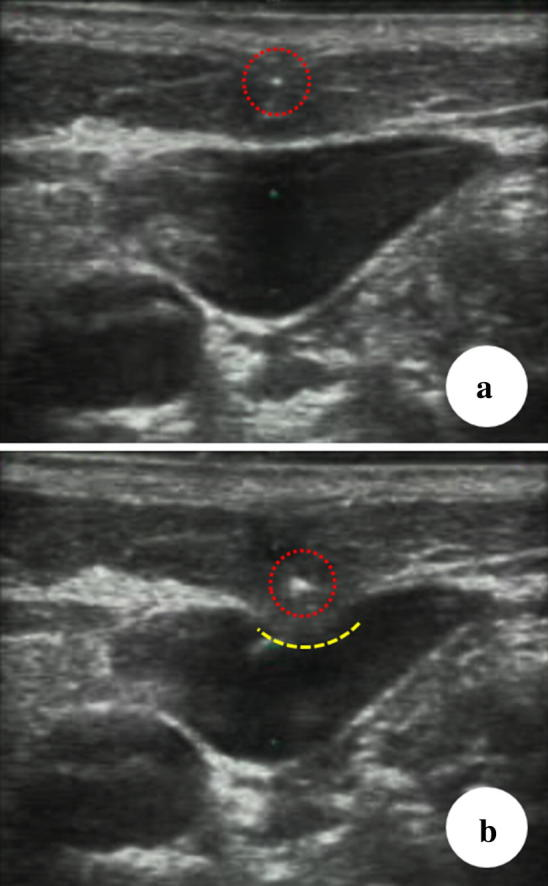
Ultrasound-guided central venous catheterization. Short-axis out-of-plane.
Image
  Short-axis out-of-plane technique In this technique, the needle is inserted while observing the short axis of the vein; thus, the needle intersects the ultrasound image. It is mainly used for puncturing the IJV and FV. It is advantageous, because positional relationships with arteries are easy to identify, but its disadvantage is that it is difficult to know, where the needle is until it enters the beam plane of the ultrasound scan. In addition, distinguishing between the tip and the shaft of the needle by observing an ultrasound image can be difficult. Therefore, if the needle goes outside the scan plane and goes through the vein, the tip can possibly puncture an artery or the lung.

Natural immunity to covid is powerful. Policymakers seem afraid to say so.

Image
  People making decisions about their health deserve honesty from their leaders. By  Marty Makary Marty Makary is a professor at the Johns Hopkins School of Medicine and Bloomberg School of Public Health, editor-in-chief of Medpage Today, and author of “The Price We Pay: What Broke American Health Care — and How to Fix It."

Kidney Stress and Acute Kidney Injury after Cardiac Surgery

Image

Extubation Strategies after Cardiac Surgery

Image
Extubation Strategies after Cardiac Surgery  

Chemical Thromboprophylaxis after Cardiac Surgery

Image

Chest Tube Patency in Cardiac Surgery

Image
  Chest Tube Patency keywords: chest tube patency, cardiac surgery, retained blood syndrome, postoperative complications, atrial fibrillation, chest tube clogging, active tube clearance, pericardial drainage, mediastinal blood, tamponade prevention, heart surgery recovery, chest tube management, anticoagulation therapy, pleural effusion, surgical drainage

Persistent Postoperative Hypothermia

Image
  Persistent Postoperative Hypothermia Postoperative hypothermia is the failure to return to or maintain normothermia (>36°C) 2 to 5 hours after an intensive care unit (ICU) admission associated with Cardiac Surgery (CS). Hypothermia is associated with increased bleeding , infection, a prolonged hospital stay, and death . Large registry observational studies suggest if hypothermia is of short duration, outcomes can be improved. Based on this evidence, we recommend prevention of hypothermia by using forced-air warming blankets, raising the ambient room temperature, and warming irrigation and intravenous fluids to avoid hypothermia in the early postoperative period (class 1, level B-NR). Read Also: Perioperative bleeding. General coagulation management.